
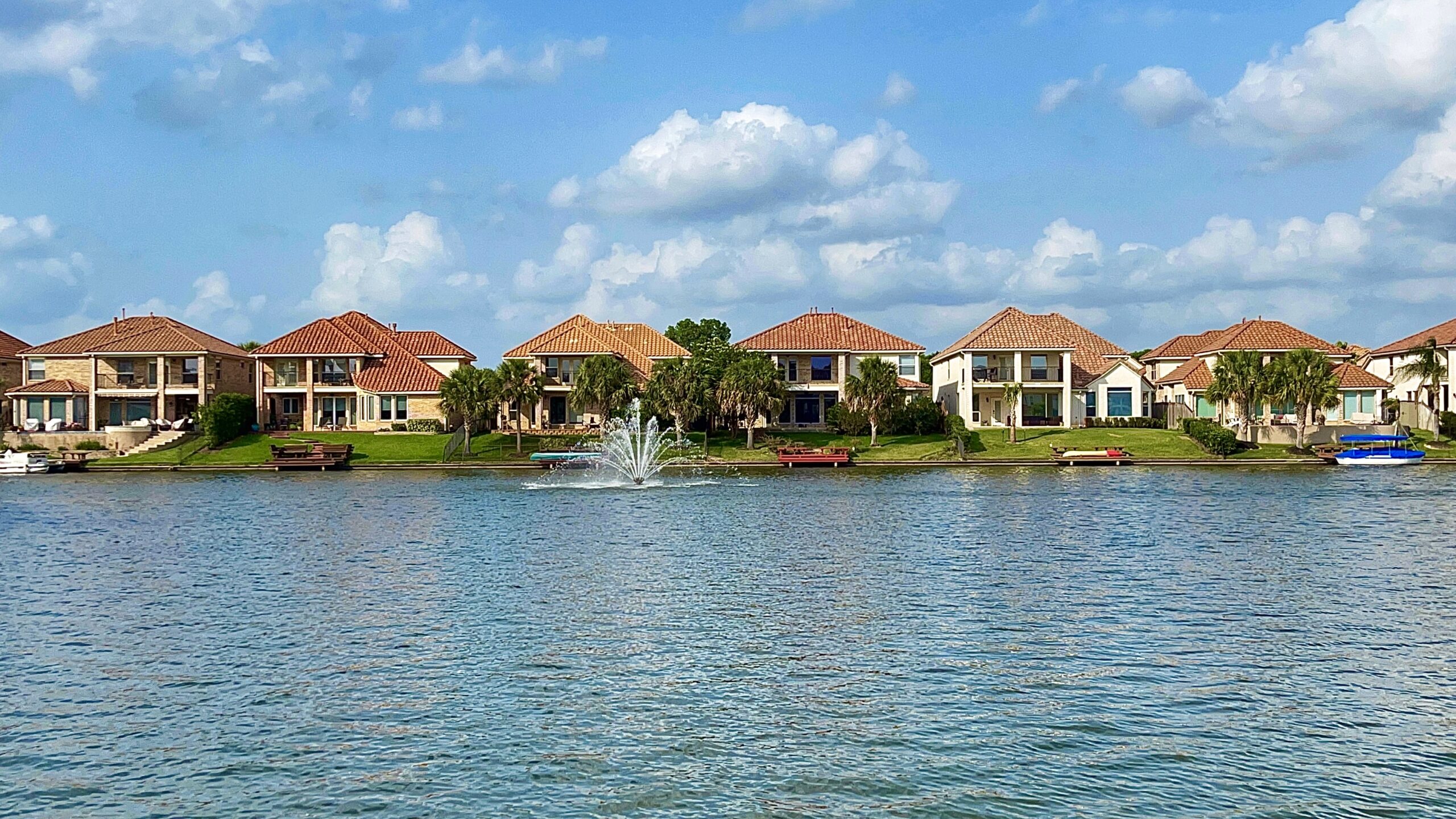
A canal view in Cape Coral can make a buyer forget the spreadsheet for a minute. The water is the dream, the dock is the hook, and the backyard sunset does half the selling before an agent says a word. Still, flood insurance costs now sit near the center of the deal for many investors, not off to the side as a closing-table chore. In Cape Coral, where water access shapes price, rent appeal, resale value, and repair risk, the premium can change what a property is worth to you before you ever collect a rent check. That is why smart buyers are reading policy quotes with the same care they bring to inspection reports, rent comps, and real estate investment planning. Cape Coral canal homes can still make sense. Some may make better sense than dry-lot homes, depending on purchase price, elevation, tenant demand, and exit plan. But the old shortcut of “waterfront always wins” is too thin for this market now.
Why Canal Front Value Is No Longer Only About the View
Cape Coral’s canal system is not a small neighborhood feature. It is the city’s identity. More than 400 miles of canals shape daily life, pricing, boating access, and buyer emotion. That makes waterfront investment property in this city different from a normal rental house with a nice backyard. You are not buying only walls, roof, and rent potential. You are buying a setting that carries lifestyle value and water risk at the same time.
The canal premium still exists, but it has sharper edges
A canal home can attract a renter who wants morning coffee by the water, a boat owner who cares about dock access, or a relocating retiree who has dreamed about Southwest Florida for years. That demand can support stronger rent, lower vacancy, and a wider resale audience than a plain inland property.
The friction is that not every canal carries the same value. A freshwater canal, a bridge-restricted Gulf access canal, and a sailboat-access canal are not the same investment. One may sell the feeling of water. Another sells true boating access. A third sells scarcity. Those differences matter more when carrying costs rise because the buyer needs to know which benefit is paying for the added risk.
Here is the part many out-of-state investors miss: the prettiest canal is not always the strongest deal. A home with direct Gulf access may command a higher price, but if the building sits low, needs roof work, has an aging seawall, and carries a painful premium, the water view may be eating the yield. A simpler freshwater canal home with a better elevation profile can sometimes produce a cleaner return.
That sounds backward until you price the whole asset.
Renters love water, but lenders and insurers read risk
A renter sees palm trees, sliders, a screened lanai, and maybe a boat lift. A lender sees flood zone status. An insurer reads elevation, replacement cost, distance to water, construction type, foundation, claim history, and other risk signals. The investment math changes because these groups are not pricing the same dream.
For example, a family renting for one year may pay more for canal frontage because the home feels like a Florida vacation without hotel rules. They may not care whether the finished floor is only modestly above base flood elevation. You care because the coverage bill follows the building, not the renter’s mood.
Florida flood zones add another layer. A home in a higher-risk mapped area can still be a good buy, but only if the price reflects the carry. The mistake is treating the flood zone like a label instead of a cost engine. Zone, elevation, and building details can push two similar-looking canal homes into different return profiles.
That is why a serious investor should ask for the insurance quote before falling in love with the dock. The quote is not paperwork. It is a valuation tool.
How Flood Insurance Costs Change the Deal Before You Collect Rent
A rental pro forma can look strong until the annual premium lands on the page. Then the cap rate shrinks, cash reserves feel thin, and the repair budget no longer looks safe. This does not mean Cape Coral is off the table. It means the insurance line has moved from “estimate later” to “confirm early.”
The premium should be treated like debt service, not a side bill
Some costs feel optional because you can shop them, adjust them, or delay them. Insurance does not work that way when a lender requires coverage or when the property risk makes going without it reckless. You may find a better quote, change a deductible, or compare private and NFIP options, but the need for protection stays.
A simple example makes the point. Say two canal homes appear similar. One rents for $3,000 per month and has a manageable policy. The other rents for $3,200 because the canal is wider and the dock is newer, but the annual premium is much higher. The second home may look better on rent alone and worse on net income.
That is where many buyers get trapped. They negotiate the purchase price hard, then accept the insurance line as if it came from another planet. It belongs inside the offer. If the premium is high because the structure sits low or replacement cost is steep, the seller’s view premium may need a haircut.
This is also where rental property cash flow analysis should include more than mortgage, tax, and maintenance. A canal home needs a water-risk reserve. After a named storm, you may face cleanup, lost rent, dock repairs, landscaping damage, or a higher renewal quote. Some of that may fall outside the policy.
Risk Rating 2.0 made the address matter more than the map label
FEMA’s newer rating approach shifted attention from broad zone labels toward property-level risk factors. In plain English, two homes in the same mapped area can price differently because they do not present the same risk. That is a big deal in Cape Coral, where one street can include older low-slung homes, newer elevated builds, and remodels with uneven permit history.
The non-obvious insight is that a “better zone” does not always mean a better investment. A Zone X home may have a lower requirement burden, but if it lacks the canal appeal that supports stronger rent, it may not beat a better-built AE-zone home after all costs are counted. The winner is the address with the best spread between income, risk, and resale depth.
You should still check the official map. Use the FEMA Flood Map Service Center and Cape Coral’s local flood tools before making an offer. Then move past the map and ask for an address-specific quote from more than one source.
Cape Coral’s Community Rating System discount helps many owners, and that matters. But a discount does not erase risk. It reduces part of the bill for eligible policies. Investors who confuse “discounted” with “cheap” can still overpay for a property with weak elevation, older openings, or a costly rebuild profile.
The New Due Diligence Checklist for Cape Coral Canal Homes
Once insurance becomes part of valuation, due diligence gets more practical. You stop asking, “Is it waterfront?” and start asking, “What kind of waterfront, what kind of structure, and what kind of risk sits under the rent?” That shift protects you from buying a pretty income problem.
Elevation certificates and flood documents deserve early attention
The elevation certificate is not glamorous. Still, it can be one of the most useful documents in the file. It helps show how the building sits against flood elevation standards, and it gives insurers details they may need to price the policy. Cape Coral notes that some older buildings may not have one on file, which means a buyer may need a licensed surveyor to prepare one.
Do not wait until the last week of inspection to chase this. If the seller has an elevation certificate, ask for it before you spend money on deeper checks. If the home was built before modern floodplain rules took shape, be extra careful. Older does not mean bad, but it often means the building needs closer reading.
Florida flood zones also affect renovation planning. In Special Flood Hazard Areas, major repairs or improvements can trigger rules that change what you can do and how much it may cost. An investor planning to buy, update, and rent a canal home needs to know that before promising a contractor schedule.
A cheap fixer can become less cheap when compliance enters the room.
The seawall, dock, and drainage are part of the investment
Many buyers inspect the house and glance at the canal. That is not enough. On a canal lot, the seawall is part of the asset. The dock, lift, drainage, grading, and outdoor electrical systems can shape both tenant appeal and future repair exposure.
Take a house in southeast Cape Coral with a solid interior, dated kitchen, older roof, and an 80-foot seawall. The kitchen may be easy to price. The roof has clear contractor bids. The seawall can be less obvious to a buyer from Ohio, New Jersey, or Illinois. Yet one failure near the water can affect safety, usability, and resale confidence.
This is where the investment lens needs to widen. A waterfront investment property is not only a rental unit near water. It is a small operating system. Water access brings value, but it also brings parts that age, move, corrode, and need permits.
The counterintuitive move is to spend money on boring inspections before chasing fancy upgrades. A marine inspection, elevation review, roof check, and insurance quote may tell you more about the deal than new counters ever could. Tenants may notice the counters first. Your balance sheet will notice the seawall.
When the Numbers Still Work for Investors
Higher carry does not kill every deal. It kills lazy math. Cape Coral still has real strengths: water identity, retiree interest, boating culture, Gulf Coast demand, and a supply of homes that appeal to people who want more than a standard subdivision rental. The trick is to buy the right canal home for the right plan.
The best deals often come from mispriced fear or misplaced confidence
Markets overreact in both directions. After storms or insurance headlines, some buyers avoid waterfront completely. That can open room for disciplined investors who understand risk and demand a better price. At the same time, some sellers cling to peak-waterfront pricing because the canal looks beautiful at sunset. That confidence can be expensive for the buyer.
Your job is to stand between those emotions.
A strong canal deal usually has several traits working together. The home has a clear insurance quote before closing. The elevation story is understandable. The roof and openings are not dragging the quote upward. The seawall has useful life left. The rent premium is backed by actual demand, not wishful thinking. The exit buyer is easy to picture.
Cape Coral canal homes that meet those standards can still serve long-term investors well. A retiree tenant may stay longer because the home feels special. A seasonal renter may pay more for the setting. A future buyer may choose the property over inland choices because the water gives it a reason to stand out.
The opposite is also true. A weak canal deal can hide behind the word “waterfront.” If the home is overpriced, low, tired, hard to insure, and costly to maintain, the canal may not save it.
Your offer should price risk in plain dollars
The cleanest way to handle uncertainty is to turn it into offer language. Do not argue in vague terms. Show the seller what changed in your math.
Start with the premium. Compare it with similar inland or lower-risk homes. Then account for reserves, likely repairs, and any documents still missing. If an elevation certificate is absent, treat that as an open question. If the seawall needs review, leave room for findings. If the roof is near the end of its useful life, connect that to both repair cost and insurability.
This approach makes your offer easier to defend. You are not saying, “I am scared of water.” You are saying, “This is the net income after the real carry.”
That tone matters in Cape Coral because many sellers have owned through market swings, hurricanes, and insurance shifts. A serious, numbers-based offer can land better than a lowball that feels random. Pair it with home inspection tips for coastal buyers so your process stays steady from showing to closing.
The non-obvious upside is that better insurance math can help you win. If other buyers are guessing, you can move with more confidence. If the quote fits and the documents line up, you may act faster than someone who waits until fear takes over.
Conclusion
Cape Coral’s canal market is not broken. It is more honest than it used to be. The water still adds desire, and desire still supports value, but the carrying cost now asks harder questions. Investors who answer those questions early will avoid the worst surprises.
For serious buyers, flood insurance costs now belong in the first round of deal review, not the final week before closing. That one shift changes how you compare homes, write offers, and protect cash flow after a storm season. It also helps you separate true value from pretty risk.
The best Cape Coral purchases will not always be the cheapest homes or the flashiest canals. They will be the properties where rent demand, elevation, building condition, insurance, and resale logic all point in the same direction. Buy that way, and the canal becomes more than a view. It becomes an asset you understand.
Frequently Asked Questions
How much should investors budget for coverage on a Cape Coral canal home?
The right number depends on the exact address, elevation, building age, replacement cost, and coverage choice. Do not use a citywide average for an offer. Get an NFIP quote, ask a private-market agent, and compare the premium against projected rent before final pricing.
Is a Cape Coral canal home still worth buying as a rental?
Yes, if the income supports the full carry and the building risk is clear. Water can lift demand, but it cannot fix a weak purchase price. The strongest rentals pair canal appeal with sound elevation, good roof condition, and realistic reserves.
Are all Cape Coral canal homes in the same risk category?
No. Canal type, location, elevation, construction date, and distance to open water can all change risk. Two homes that look similar online may receive different quotes. Treat every address as its own case instead of relying on neighborhood assumptions.
Do lenders require water damage protection on canal front property?
Many lenders require a flood policy when a home sits in a high-risk mapped area and the mortgage is federally backed. Even when it is not required, skipping coverage can expose an investor to a major loss after storm surge or heavy rain.
What document should I ask for before offering on a canal home?
Ask for the elevation certificate, current policy declarations, prior claim information, permits for major work, and any seawall or dock records. These documents help you price risk before inspection deadlines become tight.
Can a higher premium be used to negotiate the sale price?
Yes. A verified quote can support a lower offer, seller credit, or repair request. The strongest argument ties the premium to net operating income. Sellers may disagree, but numbers carry more weight than broad concern.
Are newer Cape Coral homes safer investments than older canal homes?
Newer homes may have better elevation, openings, and code features, but age alone does not decide quality. Some older homes have strong locations and smart upgrades. Compare documents, inspections, and quotes before assuming newer always wins.
What is the biggest mistake out-of-state investors make in Cape Coral?
They price the view before they price the risk. Photos can make every canal look like a premium asset. The real test is whether rent, coverage, elevation, roof condition, seawall health, and exit demand work together after closing.