
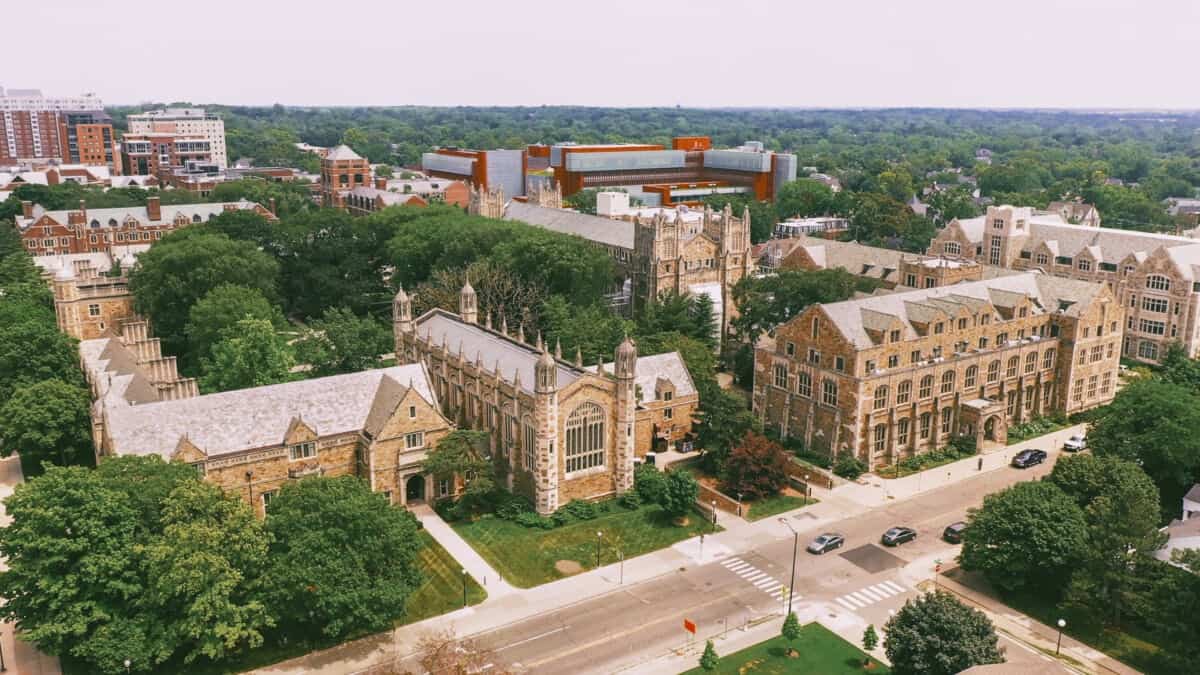
Ann Arbor does not behave like a normal small city, and that is why investors keep circling it even when cheaper Michigan markets look easier on paper. The phrase rental income fits the search, but the real story is steadier than a rent number. You are buying into a town where education, medicine, research, downtown jobs, and family demand pull on the same housing supply. That mix makes mistakes less forgiving, yet it also gives well-chosen rentals a durable base. For owners comparing cities, local property market research should start with tenant behavior, not a postcard view of campus. Ann Arbor rewards the investor who understands school calendars, parking stress, winter repairs, and neighborhood character. It also rewards patience, because the right houses are not always the ones with the loudest listings or the fastest showings. It punishes anyone who assumes every house near a Big Ten campus prints money. The opportunity is real. The shortcut is not.
Why Rental Income Stays Steadier in a University Town
A university town has a rhythm you can feel before you study any spreadsheet. August feels tense. May feels loose. Parents tour streets with students, graduate workers compare bus routes, hospital staff want restful nights, and young professionals look for places that do not turn every Friday into a tailgate. That steady churn creates demand, but it also creates noise. The careful Ann Arbor investor learns to separate demand from durability. A property can stay full and still wear down faster than expected if the tenant fit is wrong. That is the hidden trap in a town with plenty of renters: occupancy can hide weak operations for a while, but it cannot hide them forever.
University of Michigan housing demand creates a deep renter pool
The University of Michigan is not a small campus tucked beside a town. It is one of the main engines of Ann Arbor’s housing life. Official university figures show the Ann Arbor campus serving more than 53,000 students, which means the renter pool is broad before you even count staff, visiting faculty, medical residents, and research workers linked to campus life through University of Michigan facts and figures. That size gives the city a housing base many mid-sized markets would love to have.
That size matters because it spreads demand across several renter types. A junior looking for a room near Central Campus has different needs than a medical resident who wants a calmer duplex near the hospital. A graduate student may sign a longer lease if the property feels calm, clean, and close to a bus line. Parents often care less about granite counters than safe stairs, assigned parking, and a landlord who answers calls. The same city can support a rooming-style student house, a tidy condo, and a small family rental within a few miles.
Here is the non-obvious part: student volume alone does not protect a weak deal. A poor layout, weak insulation, or bad parking setup can still drag performance. University of Michigan housing demand creates the floor, not the ceiling. You still have to earn the result. In Ann Arbor, demand gives you a chance to recover from small timing mistakes, but it rarely fixes a bad basis.
Long-term rentals in Ann Arbor work when location solves a daily problem
A durable rental here usually solves one plain problem: how the tenant gets through the week without friction. That may mean a walk to class, a short ride to Michigan Medicine, a bus stop outside the block, or enough distance from campus noise to sleep before a morning lab. The property does not need to be flashy. It needs to reduce daily hassle. People pay for fewer small headaches, especially during a hard semester or a hospital rotation.
Long-term rentals in Ann Arbor often perform well when they sit near repeatable routines. A two-bedroom condo near a bus route can attract a graduate student pair. A small house near the Old West Side may appeal to a young family that wants schools, parks, and downtown access. A duplex near Packard can work for students who want campus access without paying the highest downtown rents. Each example has a different tenant, but the logic is the same: the address makes ordinary days easier.
The catch is that “near campus” is not one market. Central Campus, North Campus, Kerrytown, Burns Park, and the hospital area each pull different tenants. One block can feel student-heavy, while the next feels owner-occupied and settled. That is why a walk at 10 p.m. can teach you things a listing page never will. You are not buying a dot on a map; you are buying the habits that happen around that dot.
The Ann Arbor Neighborhoods Are Not Always the Loudest Ones
The obvious move is to buy as close to campus as possible. That can work, and many owners have done well with it. Still, the loudest rental zones often come with sharper management demands. More turnover. More wear. More neighbor complaints. More pressure to price leases early. A workable Ann Arbor deal may sit a little outside the rush, where tenant stays stretch longer and maintenance calls calm down. The quieter property may not win the online search at first glance, but it can win over five years.
Near campus can pay, but management gets sharper
A house near Central Campus or South University can draw fast attention because students want speed and walkability. The lease-up window may open early, and groups may make decisions months before move-in. That sounds pleasant until you realize the property has to survive group living, move-out week, winter salt, bikes on porches, and parents who expect simple paperwork. Nothing about heavy demand removes the need for firm systems.
Take a four-bedroom house near campus. On paper, it may beat a three-bedroom farther west. In practice, one extra bedroom can bring more vehicles, more furniture moves, more trash, and more coordination headaches. The rent may rise, but so can the work. If the block already fights for parking, that fourth bedroom may create more strain than value.
The counterintuitive insight is simple: the higher monthly check is not always the better owner experience. A slightly lower rent from a graduate student household may beat a richer lease that burns through floors, walls, and patience. The spreadsheet should include your time, not only the tenant’s payment. If you manage from another city, that time cost grows fast.
Lower-noise edges may keep tenants longer
Ann Arbor has softer pockets that do not always get the investor spotlight. Parts of the Old West Side, the Northside, Lower Burns Park, and areas near major bus lines can attract tenants who want access without chaos. These renters may include graduate students, nurses, junior faculty, tech workers, and families trying to stay close to downtown. They may not all care about being three blocks from a lecture hall, but they care about predictability.
These neighborhoods can feel less exciting during a property search. That can help. Less hype may mean less bidding pressure, and the tenant pool may care more about comfort than party distance. A clean two-bedroom with a basement, laundry, and off-street parking can stay occupied because it fits grown-up routines. That kind of unit may not produce dramatic stories, but it can produce fewer surprises.
There is no magic map, though. A bad buy in a solid pocket is still a bad buy. Before making an offer, walk the route a tenant would take. Is the sidewalk cleared in winter? Is parking tight after dinner? Does the street feel loud after a football game? Those details decide whether a tenant renews when rent rises. They also reveal whether the listing description matches the lived street.
Numbers That Matter Before You Buy a Student-Adjacent Property
Ann Arbor tempts buyers into paying for safety before they have measured the deal. That is dangerous. A stable renter base can support sound ownership, but it cannot rescue a purchase price that leaves no room for repairs, taxes, vacancy, insurance, and slower rent growth. The city is not low-cost by Midwest standards. You need discipline. A healthy market can still hand you a weak return if you let comfort replace math. This is where many first-time buyers get caught: they prove demand, then forget to prove profit.
Price discipline beats a pretty rent roll
A rent roll can look clean and still hide trouble. Maybe the current owner under-maintained the house. Maybe tenants pay higher rent because the location is perfect, but the roof is near the end. Maybe a basement bedroom should not be counted the way the listing presents it. Ann Arbor rental properties deserve a slower review because demand can make weak assets look stronger than they are. The closer you get to campus, the easier it is to confuse attention with quality.
Start with the rent, then subtract like a skeptic. Property taxes, insurance, lawn care, snow removal, city compliance costs, turnover painting, appliance replacement, and emergency repairs should all show up before you celebrate. A $300 monthly spread can vanish after one furnace call in January. Older homes may carry charm, but they also carry pipes, wiring, windows, and rooflines that need respect.
For a deeper buying process, build your own checklist and compare it with a college town property investment checklist. Seasoned investors are not gloomy. They are honest. They know the rent is only one line in a long ownership story. They also know a deal should survive a few ugly months without forcing panic. If one vacancy or one repair wipes out the year, the problem was present on closing day.
Repairs, rules, and winter costs decide your net
Ann Arbor is not a warm-weather landlord market where neglect hides for years. Winter exposes weak windows, tired furnaces, loose handrails, poor drainage, and bad insulation. Tenants notice because their heating bills and comfort change fast. A bargain house can become expensive after the first cold season. The first snowstorm often acts like an inspection with no appointment.
Local rules also matter. Owners need to understand rental registration, inspections, occupancy limits, trash expectations, and safety items before they close. This is not paperwork for later. It shapes what the property can earn and how many people can legally live there. A house that appears perfect for a large group may not fit the actual rules. Smart buyers ask these questions before they fall in love with bedroom count.
The non-obvious win is boring maintenance. A landlord who replaces the failing water heater before it bursts may keep a tenant longer than one who adds a trendy backsplash. In Ann Arbor, reliability feels like an amenity. Warm rooms, working locks, dry basements, clean entry steps, and answered emails can protect the net more than a stylish photo gallery. A tenant remembers who solved the heat problem at 7 a.m.
How to Build a Durable Lease Strategy in a High-Demand College Market
Once you own the property, the lease strategy matters as much as the address. High demand gives you choices, but choices can lead to sloppy screening. The goal is not to grab the first full-price tenant. The goal is to match the property with renters whose habits fit the house, the block, and your management style. Lease terms should protect the building without making responsible tenants feel trapped.
Ann Arbor rental properties need tenant fit, not only tenant volume
Ann Arbor rental properties can attract students, faculty, hospital workers, remote professionals, and families, often for the same unit. That sounds like a gift. It also means you must know who the property serves most naturally. A small upstairs unit with thin walls may not suit a family with a baby. A house with three parking spots may fit graduate students better than undergraduates with five cars. The unit should have a natural renter, not a wish list.
Tenant fit starts with honest marketing. If the unit is a 15-minute bus ride from campus, say that. If parking is limited, say that early. If the basement is dry but unfinished, do not sell it as bonus living space. Honest ads reduce bad showings and future arguments. They also attract renters who already accept the property’s limits.
University of Michigan housing demand can make owners feel safe enough to be casual. Resist that. High demand brings more applicants, not automatic peace. The wrong tenant mix can turn a promising address into a weekly problem. Screening, lease clarity, and move-in condition notes still matter when the phone keeps ringing.
Long-term rentals in Ann Arbor benefit from adult habits
Sharp lease systems feel calm. They set firm due dates, explain maintenance steps, define snow duties, and spell out move-out standards. Tenants should know how to report problems before the first problem appears. That one habit saves money because small issues reach you before they become ugly. A short maintenance guide sent at move-in can prevent half the calls that irritate both sides.
Long-term rentals in Ann Arbor also benefit from renewal thinking. A tenant who stays two or three years can protect your return by reducing vacancy, cleaning, advertising, and turnover repairs. That means you may not need to chase the last possible dollar every renewal cycle. Sometimes a fair rent increase and a steady tenant beat a vacancy gamble. A stable lease can be worth more than a headline rent.
This is where many owners misread the market. They see a high-demand city and assume control sits with the landlord. In truth, the strongest tenants still have options. They talk to classmates, coworkers, and neighbors. Treat them well, and your property becomes the unit people recommend before it ever hits a public listing. For planning repairs ahead of renewals, a rental property maintenance planning guide can help owners keep the calendar from running the business.
Conclusion
Ann Arbor is not the cheapest path into Michigan property ownership, and that is part of the point. Lower-cost markets often need more guesswork about demand. Here, the demand story is easier to understand, but the ownership test is stricter. You need a property that fits the renter pool, a lease plan that respects the school-year rhythm, and enough cash left after closing to handle the first hard winter. You also need the nerve to pass on a house that looks popular but carries too many hidden costs. The healthiest rental income comes from boring strengths: useful location, clean systems, plain rules, and tenants who want to stay. That is why this market can reward patient owners more than aggressive speculators. Long-term success will not come from buying any house with an Ann Arbor address. It will come from buying the right problem solver for the right tenant. Study the block, run the numbers cold, and choose the property you would still want to own after the easy excitement fades.
Frequently Asked Questions
Is Ann Arbor worth considering to buy a long-term rental?
Yes, when the purchase price and property condition make sense. The renter base is broad because the city has students, medical workers, faculty, research staff, and families. The harder part is buying with enough margin for repairs, taxes, insurance, and turnover.
What type of tenant usually rents near the University of Michigan?
Student groups, graduate students, medical residents, visiting faculty, and young professionals all rent near campus. Each group wants something different. Undergraduates may prize walking distance, while medical workers often care more about calm, parking, and fast access to the hospital.
Are Ann Arbor rents higher than nearby Michigan cities?
Often, yes. Ann Arbor tends to cost more than many nearby areas because the university, hospital system, downtown jobs, and limited housing supply support demand. Higher rent does not guarantee a better return if the purchase price is too high.
Which Ann Arbor neighborhoods are worth watching for rentals?
Central Campus, Kerrytown, Burns Park, the Old West Side, Northside, and areas near useful bus routes all deserve attention. The right choice depends on tenant type, parking, property layout, noise level, and whether the unit fits daily routines.
Should I rent by the bedroom or by the whole unit?
Bedroom pricing can raise gross rent in student-heavy areas, but it can also bring more management work. Whole-unit leases may feel calmer and can attract renters who stay longer. The better choice depends on layout, legal occupancy, parking, and your tolerance for turnover.
What risks should Ann Arbor landlords plan for?
Common risks include high entry prices, winter repairs, tenant turnover, city compliance, parking limits, and overpaying because the market feels safe. A careful buyer checks the roof, heating system, basement, lease history, and local rental rules before closing.
Do graduate students make reliable long-term tenants in Ann Arbor?
They can, especially when the unit is calm, practical, and close to campus or transit. Many graduate students value stability and may renew if the property works well. Direct communication and fair maintenance often matter more to them than luxury finishes.
How can a new investor avoid overpaying in Ann Arbor?
Use conservative rent numbers, inspect the property hard, and price future repairs before making an offer. Compare the unit with real tenant needs, not only nearby listings. A deal should still make sense after taxes, insurance, vacancy, winter costs, and maintenance.