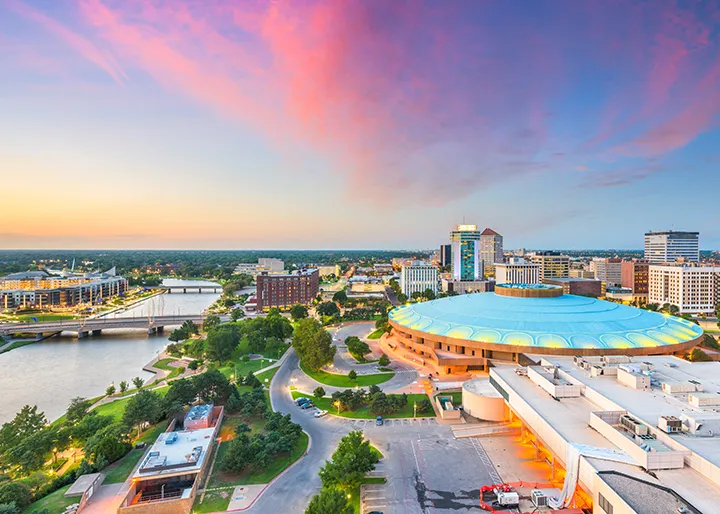

Mobile has the feel of a city that changes in layers, not in loud headlines. That is why real estate values are rising in a way many buyers may miss at first: port work, logistics jobs, airport plans, and neighborhood repairs do not hit every sale price at once. They show up in steadier demand, fewer bargain blocks, and a wider set of buyers comparing Mobile with other Gulf cities. For readers tracking local property market signals, the better question is not whether Mobile becomes the next hot place. The better question is where ordinary workers, small landlords, retirees, and first-time buyers will feel the pull first. The Mobile housing market still has soft spots, and that is part of the story. A city can gain economic footing before sellers gain full pricing power. Port of Mobile growth gives the area a stronger base, but the gains are uneven, street by street, and that makes the opportunity more practical than flashy.
Why Port of Mobile Growth Feels Slow Before It Shows Up in Prices
Port cities rarely move like resort towns. A beach town can spike after one travel trend or a run of vacation buyers. Mobile is different. Its growth is tied to freight, ship traffic, warehousing, road access, rail links, and payrolls. Those forces can lift a housing market, but they do it through routine life: a mechanic gets steady hours, a logistics supervisor needs a shorter commute, a contractor buys a rental near job centers. That is less dramatic than a bidding war, but it often lasts longer.
Jobs arrive before buyers admit the change
The Alabama Port Authority marked the Mobile Harbor Modernization Project as complete in October 2025, with a 50-foot channel depth and better room for larger vessel traffic. The official Mobile Harbor Modernization Project update also described the work as a $366 million state and federal effort, built to improve navigation and strengthen Alabama trade access. That kind of project does not make a bungalow worth more by itself. It changes the confidence around the local economy first.
You can see the lag in how people talk about Mobile. Out-of-state buyers may still picture an older Gulf city with bargain homes and storm risk. Local buyers see something more specific: port work, shipbuilding, health care, the airport shift, and downtown repairs creating a wider job base. The gap between those two views is where smart housing decisions often sit.
Think about a welder in Theodore, a nurse working near Spring Hill, or a dispatcher who needs quick access to I-10. None of them buys because a headline says the city is growing. They buy when the job feels stable enough to sign a mortgage, when the payment fits, and when the house keeps them close to their week. That quiet confidence is what starts to drain the best deals first.
A non-obvious piece is that the first housing winners are not always the prettiest houses. They are often solid homes near work routes, schools, and errands. A clean three-bedroom house with a dry crawl space near a practical commute can beat a prettier listing that sits too far from the daily grind.
The port changes the map, not every block at once
Port of Mobile growth reaches beyond the waterfront because freight never stops at the dock gate. It needs truck routes, rail movement, repair shops, storage yards, customs work, lunch spots, apartments, and homes for people who do not want a long drive after a shift. That is how a port starts to reshape demand without turning the whole city into one market.
The inland intermodal facility tied to Mobile freight is another clue. The Alabama Port Authority described the Montgomery-area project as a 272-acre facility, with the first phase including 120 acres of operating yard and planned capacity of 60,000 lifts, with full operations aimed for 2027. That may sound far from a home search in Mobile, but it shows how the port economy is trying to connect more of Alabama to the Gulf.
For a buyer, this means the old “near downtown or not” question is too thin. The better question is how a neighborhood connects to work patterns. A home near a strong corridor may gain buyer interest before a postcard block does. The Gulf Coast property market has always rewarded access, but Mobile’s version of access is becoming less about beaches and more about movement.
That shift can confuse sellers. A house on a plain street may draw attention because it sits near a route workers trust. Another house with better photos may sit because the drive is awkward after school pickup or night shifts. In Mobile, the map is not only geography. It is time, traffic, weather, and the cost of owning an older home.
How Port Growth Changes Real Estate Values Without a Boom Story
The housing lift in Mobile is not a straight line. That matters because a flat month, a slower listing, or a price cut does not cancel the longer economic argument. Port cities often look sleepy while their base gets stronger. Buyers who wait for everyone to agree may find the best entry points already gone.
Why short-term housing numbers can look flat during a better cycle
Zillow’s Mobile index showed an average home value of $198,986 as of May 31, 2026, down 1.4 percent over the prior year, with homes going pending in about 21 days. That is not a boom headline. It is a useful warning against lazy hype. A market can have better long-term footing while current pricing stays choppy because mortgage rates, insurance costs, repairs, and buyer budgets still matter.
This is where the Mobile housing market becomes interesting. If values were already racing, many local buyers would be priced out. Instead, the city is still giving careful buyers time to compare blocks, inspect older homes, and negotiate repairs. That breathing room is not weakness on its own. In a working city, it can be the last stage before outside demand becomes more visible.
Statewide data gives the same mixed signal. The Alabama Association of REALTORS described stronger housing activity in April 2026 after a slow first quarter, while earlier reports pointed to a market still facing economic hurdles. Mobile fits that pattern well: more active than it looks from a distance, but not free from pressure.
Appraisers and lenders also slow the story down. They do not price a house on what a port project might mean five years from now. They look at recent nearby sales, property condition, and borrower strength. That keeps the market from running ahead of itself, which can be good for buyers who want growth without panic pricing.
What buyers should watch before prices move
The best early signs are often boring. Watch days on market in middle-income neighborhoods. Watch whether homes with updated roofs and clean inspections draw faster offers. Watch rent strength near job corridors. Watch whether smaller homes near downtown, Midtown, and west-side routes stop sitting as long as they used to.
Also watch who is buying. If a market is driven only by investors, caution is fair. If you see first-time buyers, trade-up families, military-linked workers, logistics staff, and retirees all looking at the same price bands, the demand base is healthier. That mix matters more than one expensive sale.
A practical example: a buyer comparing a $210,000 house in Mobile with a similar house in a faster Gulf city may accept older finishes if the monthly payment stays lower and the commute works. The seller does not need a bidding war. The seller needs two serious buyers who see the same math.
The same logic helps renters. If better jobs bring households that can qualify for ownership later, rental demand may tighten before purchase prices show the full shift. Landlords who keep properties clean and priced fairly can gain from that middle stage without counting on wild rent jumps.
Neighborhood Demand Is Spreading Beyond the Waterfront
The old way to judge Mobile was too simple: downtown charm, historic homes, port work, then everything else. That misses how people live. Most buyers do not choose a city from a postcard. They choose a weekly routine. Groceries, schools, job routes, medical access, drainage, parking, yard size, and repair bills decide more deals than skyline views.
Downtown energy helps, but daily convenience closes the sale
The City of Mobile lists active public projects tied to downtown streets, Broad Street, Brookley by the Bay, Three Mile Creek Greenway, Dauphin Street corridor work, and Mobile International Airport. Those projects do not carry the same weight for every buyer, but together they send a message: the city is trying to fix movement, access, and public space rather than waiting for private growth alone.
That matters for a buyer who plans to live in the home. A better street pattern can make a short commute feel less draining. A trail project can make a nearby cottage feel more livable. Airport construction can make a neighborhood feel better connected to the rest of the country, even if the house itself has not changed.
The counterintuitive point is that civic work can raise confidence before it raises prices. People do not always pay more on day one because a corridor is improving. They pay more after the improvement becomes part of daily habit. By then, the easy discount may be gone.
Small businesses feel this first. A coffee shop, repair shop, day care, or lunch counter does not need a luxury wave to make a block feel more useful. It needs steady foot traffic and people with paychecks. When those simple services improve, a neighborhood begins to feel less like a bet and more like a place to stay.
Why West Mobile and close-in suburbs read differently
West Mobile, Saraland, Semmes, Daphne, Spanish Fort, and other nearby areas do not all tell the same story. Some buyers want space and newer homes. Others want older neighborhoods closer to downtown and work. A port-driven city creates both types of demand because not every worker, manager, contractor, or retiree wants the same version of comfort.
For families, West Mobile can feel easier: more subdivisions, more familiar retail, and more room for the money in some pockets. For buyers who care about older character and shorter drives, Midtown or close-in areas may carry more appeal. Neither side is the whole answer.
This is why a simple median price can mislead you. A rising median may reflect nicer listings selling, not every home gaining the same amount. A flat median may hide strong demand for clean, well-located houses. In the Gulf Coast property market, the house with fewer future problems can beat the house with more square footage.
The suburb question also depends on tolerance for time. A bigger house farther out can feel like a win on Sunday afternoon and a burden on Tuesday morning. Mobile buyers who measure the commute in real life, during the hours they will drive, often make better choices than buyers who compare square footage on a screen.
Investor Math in a Working-City Market
Investors often talk about Mobile as affordable, and that is true compared with many coastal metros. Still, cheap is not the same as safe. The better investor sees Mobile as a working-city market where income, repairs, insurance, and tenant demand must all agree. One number cannot carry the deal.
That is why the best Mobile deals often look plain at first glance. They are not built on a perfect flip video or a rent guess pulled from a listing site. They are built on a tenant who can stay, a roof that can survive the next storm season, and a payment that still works after taxes and coverage are added.
Cash flow still matters more than skyline photos
A landlord buying near a job corridor may care less about charm than about parking, roof age, HVAC life, and whether a tenant can reach work without burning half the paycheck on gas. That is not glamorous. It is how rental stability is built.
This is also where Mobile differs from pure vacation markets. Short-term rental headlines can make investors chase the wrong thing. A steady long-term tenant tied to health care, logistics, shipbuilding, or service work may be worth more than a seasonal bet with higher cleaning costs and stricter rules.
For readers comparing similar cities, rental property due diligence should start with repair risk, not rent dreams. Older Gulf homes can carry surprises: moisture, foundation movement, outdated electrical work, worn roofs, and storm exposure. The purchase price may look friendly until the inspection tells the rest of the story.
Picture a small investor choosing between two duplexes. One has better exterior photos but an old roof and vague repair records. The other looks plain, has documented updates, and sits near a route tenants use every day. In Mobile, the second property may be the smarter buy, even if it gets fewer clicks.
Insurance, storms, and old housing stock shape the deal
Mobile’s location is part of its appeal and part of its cost. Gulf weather, wind coverage, flood zones, drainage patterns, and roof age can change the monthly payment. A buyer who ignores that is not buying a bargain. They are buying a bill that has not arrived yet.
A non-obvious edge comes from boring upgrades. A newer roof, better grading, a clean termite history, modern windows, and documented repairs can matter more than quartz counters. In a city where many houses have age and weather behind them, proof beats polish.
That is why investors should compare Mobile through a practical lens, not a hype lens. Look at rent-to-price ratios, but also look at insurance quotes before making an offer. Walk the block after rain. Call local property managers. Read city permit history. Then compare the deal with affordable Southern housing markets so the numbers have context.
Good underwriting can feel slow, but it protects the upside. Mobile’s economic base may improve, yet a weak roof still leaks. A landlord who respects both truths has a better chance of turning the city’s slow growth into steady returns.
Conclusion
Mobile’s housing story is not the kind that burns hot for one season and disappears. It is slower, more grounded, and tied to whether the city can turn port strength into better daily life for workers and families. That makes it easier to misunderstand from the outside.
The next chapter for real estate values will likely be written in small signals: shorter listing times for clean homes, firmer rents near job routes, better buyer confidence in repaired neighborhoods, and more people choosing Mobile because the price still leaves room to breathe. Port growth alone cannot save a bad deal, and no city project can erase inspection risk. Yet the direction is hard to ignore. Mobile is becoming more useful, and useful cities tend to earn patient demand. If you are buying, renting, or investing here, do not chase the loudest story. Study the blocks, price the risk, and move before the quiet evidence becomes common talk.
Frequently Asked Questions
Is Mobile Alabama a good place to buy a house in 2026?
It can be a good fit for buyers who want lower prices than many coastal markets and can handle older-home due diligence. The strongest opportunities are usually homes with sound roofs, clean inspections, and easy access to work routes, schools, and daily services.
How does the Port of Mobile affect local home prices?
The port affects housing through jobs, freight activity, contractor demand, and confidence in the local economy. It does not lift every neighborhood at once. Areas with practical commute access and stable housing stock may feel the benefit before trendier blocks do.
Are homes in Mobile Alabama still affordable?
Mobile remains more affordable than many Gulf and Sun Belt cities, though insurance, repairs, and mortgage rates can shrink the advantage. Buyers should compare the full monthly cost, not the listing price alone, before judging affordability.
What neighborhoods in Mobile should buyers research first?
Start with neighborhoods that match your daily routine, not only the best-known names. Midtown, West Mobile, downtown-adjacent pockets, and nearby suburbs can all make sense depending on commute, schools, budget, flood risk, and repair tolerance.
Is Mobile better for homeowners or rental investors?
Both can find opportunity, but the strategy differs. Homeowners should focus on livability and long-term upkeep. Rental investors need rent strength, insurance quotes, maintenance reserves, and a clear tenant profile before trusting the numbers.
Will Mobile Alabama home prices rise fast?
Fast growth is not guaranteed. Mobile’s stronger case is gradual demand tied to port activity, logistics, civic projects, and relative affordability. Short-term numbers may move unevenly, so buyers should avoid assuming a straight upward path.
What risks should buyers watch in Mobile real estate?
Insurance costs, flood zones, drainage, roof age, termites, HVAC condition, and older electrical systems need close review. A low price can hide large repair exposure. Strong inspections and local guidance matter more here than guesswork.
Why are out-of-state buyers looking at Mobile Alabama?
Many are drawn by lower prices, Gulf access, job growth, and a slower cost curve than larger Southern metros. Mobile also offers a working-city economy, which can feel more stable than markets driven only by tourism or second-home demand.